

About 79% of students say they have trouble getting to the bathroom at school. It’s important to know about teacher and student rights to the bathroom. This helps make school a better place for everyone.
It’s not as simple as saying teachers can’t say no to the bathroom. There’s no law that says students must get to the bathroom whenever they want. Schools have to think about keeping order and taking care of students’ needs.
Teachers face a tough choice. They need to keep the classroom in order and also respect students’ rights. Whether saying no to the bathroom is okay depends on many things. These include the situation, the student’s health, and the school’s rules.
Key Takeaways
- No universal federal law guarantees automatic bathroom access
- Teachers must consider student health and individual needs
- School policies vary significantly across different districts
- Students have fundamental rights to basic personal needs
- Context matters when evaluating bathroom request denials
Understanding Student Rights to Use the Bathroom
Student rights are very important in schools. They help students get to the bathroom when they need to. Laws have changed to make sure students can go to the bathroom without trouble.
Going to the bathroom is not just a small thing. It’s very important for students to feel good and do well in school. Laws help make sure students can go to the bathroom without feeling bad or being stopped.
Overview of Student Rights
Students have rights that keep them safe and respected in school. These rights include:
- The right to go to the bathroom when it’s a good time
- Not being stopped from going to the bathroom too much
- Help for medical reasons that make them need to go more
- Not being made to feel bad or punished for needing to go
Importance of Access to Bathrooms
Going to the bathroom often is good for students’ health and mind. Not being able to go can cause:
- Health problems
- Feeling very anxious
- Not being able to focus in class
- Long-term health issues
Legal Framework
There are laws that help protect students’ rights to go to the bathroom. Schools have to find a balance between keeping order and taking care of students’ needs. This makes sure students feel safe and respected while learning.
Schools need to make clear rules about bathroom use. These rules should make sure students are healthy, safe, and treated with respect. At the same time, schools must keep learning standards high.
Responsibilities of Teachers in the Classroom
Teachers are very important in making schools safe and places where students can learn well. They do more than just teach. They have to keep the classroom safe and make sure students learn.
- Set clear rules for behavior
- Keep students safe physically and emotionally
- Make a place where everyone feels respected
- Use the same rules for everyone
Maintaining Class Discipline
Keeping the classroom in order is key. Teachers need to talk to students early to stop problems. They must have rules that are fair and right for the students’ age.
Ensuring Student Safety
Keeping students safe is the top job of teachers. This means keeping them from harm, making sure they feel okay, and stopping bullying. Teachers must always be ready to help.
Balancing Authority and Student Needs
Good teachers know how to be firm but also listen to students. They need to be kind, understanding, and clear. This helps them deal with the challenges of teaching while keeping learning important.
Circumstances Under Which a Teacher Might Say No
Teachers have to balance rules and student needs. Sometimes, they must say no to bathroom requests to keep learning going.
Students have the right to use the bathroom. But, there are times when teachers might say no:
- During critical instruction moments
- When providing complex directions
- Throughout short timed assessments
- When student safety could be compromised
Class Interruptions and Learning Flow
Teachers need to keep classes running smoothly. Bathroom breaks can mess up learning for everyone.
Safety and Supervision Concerns
Teachers must keep students safe. Bathroom breaks during certain activities could be risky. They must think about each request carefully.
Ongoing Assessments and Test Integrity
During tests, bathroom access is limited. Standardized testing, final exams, and time-sensitive assessments require strict monitoring to maintain academic integrity.
| Scenario | Potential Bathroom Request Limitation |
|---|---|
| Lecture Explanation | High limitation |
| Laboratory Session | Moderate limitation |
| Standardized Testing | Strict limitation |
| Regular Classroom Work | Minimal limitation |
Teachers know they must balance rules and care for students. They always try to be kind and fair in class.
Legal Implications of Denying Bathroom Access
Understanding student rights in school is very important. It involves knowing the laws and what teachers must do. The issue of bathroom access is key here.
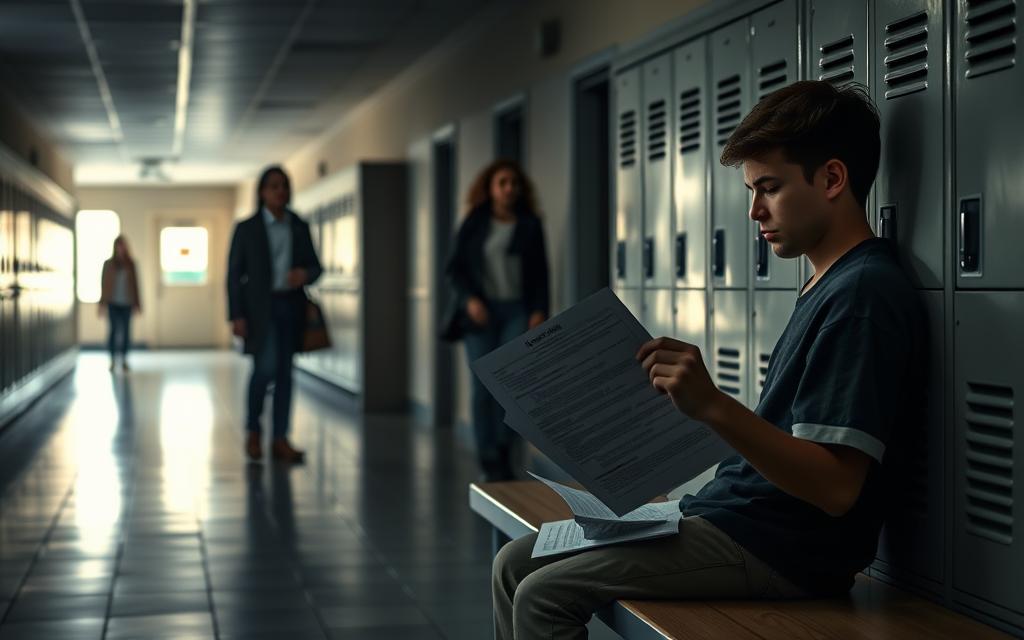
Schools have to balance keeping order with protecting students’ rights. If they don’t let students use the bathroom, it can lead to big legal problems.
Review of Relevant Laws
There isn’t a federal law just for bathroom access. But, there are laws that help protect students:
- The Eighth Amendment stops cruel and unusual treatment.
- The Americans with Disabilities Act (ADA) helps with special needs.
- Title IX makes sure everyone has equal access.
Analysis of Court Cases
Courts have always looked at student dignity and health. Many important cases show the dangers of not letting students use the bathroom.
| Case Name | Key Legal Finding | Year |
|---|---|---|
| Tinker v. Des Moines | Students have constitutional rights in school | 1969 |
| Vernonia School District v. Acton | Found a balance between student rights and school rules | 1995 |
Consequences for Violating Student Rights
Teachers who don’t let students use the bathroom face big problems. They might get in trouble, the school could be sued, and they could face personal lawsuits.
Respecting student rights is not just a law. It’s a key part of good teaching.
School Policies on Bathroom Access
School bathroom rules are very important. They mix student rights, classroom order, and teacher ethics. Schools have different ways to handle bathroom access. This shows how they try to keep learning going well.
Creating bathroom rules is hard. Many people must think about what students need and how to keep learning going. School leaders make rules that help students feel good and learn well.
Variability in Policy Approaches
How schools handle bathroom rules can change a lot. Some main differences are:
- Strict time-limited bathroom passes
- Signed hall pass requirements
- Limit on number of bathroom breaks per semester
- Individual teacher discretion for bathroom requests
Administrative Responsibilities
School leaders must make clear, fair bathroom rules. They should:
- Keep students healthy and respected
- Reduce classroom trouble
- Help students with medical needs
- Make sure rules are followed the same way
Parental and Guardian Involvement
Parents and guardians are very important. They help make and understand bathroom rules. Good communication between schools and families is key.
Good bathroom rules need teamwork. Teachers, leaders, students, and parents must work together. This way, everyone respects each other’s needs.
The Role of Health Considerations
Student safety and teacher ethics are key in bathroom policies. Schools need to be inclusive for students with health issues. They must also keep the classroom running smoothly.
It’s important to be careful with bathroom access for students with health problems. The Americans with Disabilities Act (ADA) helps guide how to support these students.
Medical Conditions Requiring Special Bathroom Considerations
- Chronic bladder conditions
- Diabetes-related frequent urination
- Gastrointestinal disorders
- Post-surgical recovery needs
Policy Exceptions for Special Needs
Teachers should be kind to students with health issues. Schools need to make bathroom rules that respect students’ health and feelings.
| Medical Condition | Recommended Accommodation | Legal Protection |
|---|---|---|
| Crohn’s Disease | Unlimited bathroom access | ADA Compliance |
| Diabetes | Immediate bathroom pass | Section 504 Protection |
| Bladder Disorders | Flexible restroom breaks | Individualized Health Plan |
How Teachers Can Accommodate Students
Teachers need to talk openly about bathroom policies. They should:
- Discuss health needs privately with students
- Create discreet bathroom pass systems
- Maintain confidentiality about medical conditions
- Work with school nurses to develop appropriate plans
Good accommodations can turn challenges into chances to help students do well in school.
Impact of Denying Bathroom Access on Students
Students have rights that go beyond schoolwork. They need to use the bathroom. Not letting them can hurt their health and school work.
Psychological Consequences
Not letting students use the bathroom can really stress them out. They might feel scared or worried about getting in trouble. This can make them:
- Feel more anxious
- Not want to talk in class
- Feel less sure of themselves
Physical Health Risks
Teachers should know how not using the bathroom can harm students. Holding urine for too long can cause big health problems:
- Urinary tract infections
- Kidney issues
- Dehydration
Academic Performance Challenges
Students need to feel safe and comfortable. If they can’t use the bathroom, they can’t focus on school. They might worry too much about the bathroom, which can hurt their grades.
Schools should see bathroom access as a basic right. It’s important for students’ health, happiness, and learning.
Best Practices for Teachers Approaching Bathroom Requests
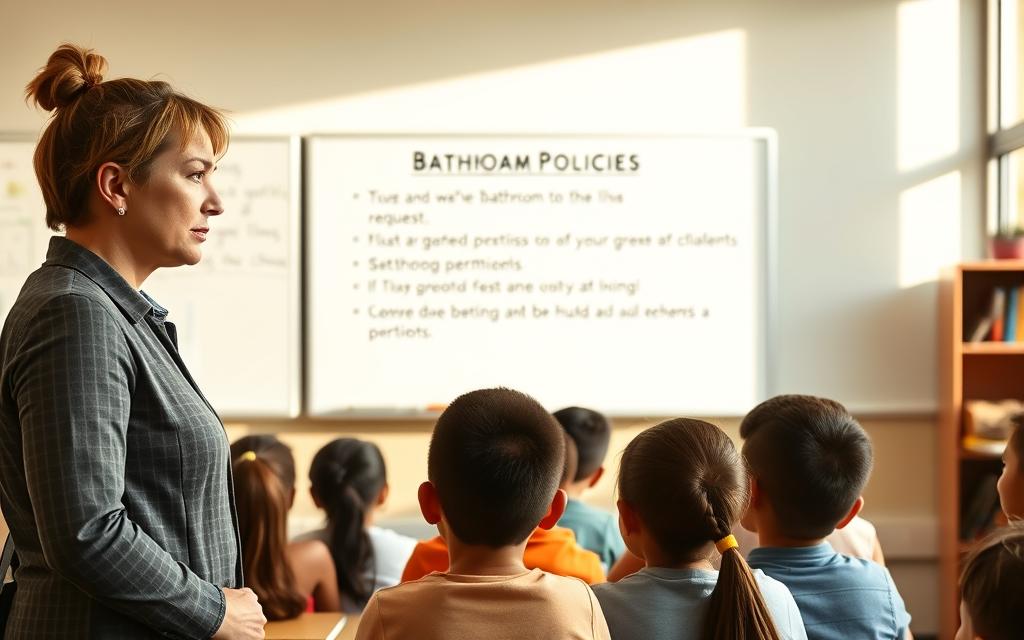
Teachers must balance many things when dealing with bathroom requests. They need to follow rules, respect students, and do their job well. This balance is key to a good classroom.
Teachers know that letting students go to the bathroom is important. It makes students feel comfortable and happy. Having clear rules helps everyone feel safe and supported.
Setting Clear Classroom Guidelines
Clear bathroom rules are important for everyone. Teachers should:
- Make a simple way for students to ask to go to the bathroom
- Tell students about these rules at the start of school
- Put up signs with the rules in the classroom
- Use a fast and kind way for students to sign out
Encouraging Open Communication
Teachers should talk to students a lot. Listening well and being kind helps students feel safe and understood. This can prevent problems.
Responding to Emergencies
When it’s an emergency, teachers must act fast. They need to be kind and keep students safe. This shows they care and respect students.
Here are some ways to handle emergencies:
- Know when a student really needs to go to the bathroom
- Let them go right away if it’s an emergency
- Try not to disturb the class too much
- Keep the student’s privacy
By using these methods, teachers can handle bathroom needs well. They keep their job and respect students at the same time.
What Students Can Do If Denied Bathroom Access
Going to the bathroom is a basic need. But, it can be hard when schools don’t let you. Knowing how to handle this helps students keep their rights and follow rules.
- Speak up calmly and nicely to the teacher
- Keep a record of when they can’t go
- Talk to school leaders
- Ask for help from parents or guardians
How to Talk to Teachers
When talking to teachers, be calm and polite. Tell them why you need to go to the bathroom and show you know the rules. Speak clearly and with respect.
Reporting Concerns to Administration
If talking to teachers doesn’t work, go to school leaders. Keep a detailed record of when you’re not allowed to go. This helps show if your rights are being broken.
| Action Step | Purpose | Recommended Approach |
|---|---|---|
| Direct Communication | Address immediate concerns | Polite, clear explanation of needs |
| Documentation | Create official record | Write down dates, times, specific incidents |
| Administrative Intervention | Seek official resolution | Schedule meeting with school counselor |
Involving Parents or Guardians
Parents can help a lot when school rules are too strict. They can talk to teachers, learn about your rights, and make sure you have access to bathrooms.
Teacher Training and Awareness

Teachers need to know how to manage classrooms well. They must understand student rights and keep professional boundaries. Training programs help teachers deal with complex situations.
It’s key for teachers to have strong ethics. They need to know how to handle sensitive issues. This protects students and teachers alike.
Importance of Understanding Student Rights
Educators must get good training. They should learn about:
- Student legal protections
- What each student needs
- How to balance classroom rules with student needs
Strategies for Managing Bathroom Requests
Teachers must have ways to handle bathroom requests. They should:
- Make clear classroom rules
- Talk to students in a kind way
- Have flexible plans ready
Ongoing Professional Development
Teachers must keep learning. They need updates on student rights and classroom management. Workshops and training help them stay up-to-date.
Good training makes schools better. It helps teachers create places where everyone feels welcome and safe.
How Schools Can Support Teachers and Students
Schools need to make a safe place for everyone. They must have good bathroom rules. This helps keep students safe and teachers happy.
Good bathroom rules need clear plans and talking to everyone. Schools should make rules that keep everyone safe and happy.
Developing Inclusive Bathroom Policies
Schools can help by:
- Writing clear rules for bathroom use
- Teaching teachers how to follow these rules
- Thinking about all students’ needs
- Having the same rules for everyone
Resources for Educators
Teachers need training to handle bathroom issues well. Important resources include:
- Workshops on how to handle bathroom requests
- Guides for students with special needs
- Ways to talk about bathroom needs
- Legal advice on keeping students safe
Engaging the School Community
Good bathroom rules need everyone’s help. Talking openly helps everyone understand and trust each other.
By focusing on safety and making smart bathroom rules, schools can be great places to learn. They respect each student while keeping the classroom running smoothly.
Conclusion: Balancing Rights and Responsibilities
Dealing with student rights and teacher rules is tricky. It’s important to find a balance between keeping order and caring for each student. Schools should focus on both learning and making students feel good.
Looking into bathroom rules shows bigger issues in schools. Teachers and students need to work together. This means talking openly, setting clear rules, and working as a team.
Key Insights for Educational Professionals
Good schools are based on respect and understanding. Teachers should see bathroom access as key to caring for students. By being flexible and considering each student’s needs, schools can be more welcoming.
Moving Forward Together
The main goal is to make schools where everyone feels valued. Teachers, students, and parents must team up. They should find ways to care for each other while keeping learning fun and effective.