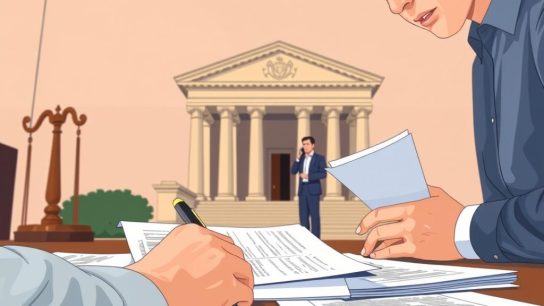

Legal help for abusive relationships provides protection, guidance, and safety. Discover steps, resources, and strategies to regain control today.
If you’re in an abusive relationship, seeking legal help can protect your safety, provide financial and emotional support, and hold the abuser accountable. Immediate steps include contacting a lawyer, filing protective orders, and accessing local resources.
Legal Help For Abusive Relationships: How To Protect Yourself And Regain Control 💪
Have you ever felt trapped in a relationship where fear outweighs love? It’s hard to admit, but abuse is real, and help is available. Knowing your legal options can give you the strength and clarity to regain control of your life.
Understanding Abusive Relationships 🛑
Abuse isn’t always physical. Emotional, financial, and verbal abuse can be equally damaging. Many victims feel isolated, confused, and trapped, making legal guidance crucial. Recognizing the patterns of abuse is the first step toward protection.
Signs of abuse include:
- Constant criticism or belittling
- Controlling finances or decisions
- Threats of harm or intimidation
- Physical harm or property destruction
Knowing these signs allows you to take action before the situation worsens.
Why Legal Help Is Critical ⚖️
You might wonder, “Why do I need a lawyer if the abuse isn’t physical?” Legal help can:
- Ensure protective measures like restraining orders are in place
- Advise on custody or child protection laws
- Secure financial assistance or compensation
- Hold the abuser accountable under law
A qualified lawyer can navigate the complex legal system, reduce risks, and guide you safely toward freedom.
Types Of Legal Assistance Available 📝
When seeking legal help, you have several options depending on your situation:
- Restraining Orders / Protective Orders – Prevents the abuser from contacting or approaching you.
- Family Law Support – Assists with custody, visitation, and divorce matters.
- Criminal Law Guidance – Helps in filing charges for assault, harassment, or threats.
- Civil Protection – Ensures compensation for damages or emotional distress.
Each type of assistance is tailored to your unique circumstances and safety needs.
Steps To Take Immediately If Abused 🚨
Your safety is the top priority. Follow these steps:
- Call emergency services if in immediate danger.
- Document all incidents with dates, times, and evidence.
- Reach out to a lawyer or legal aid for advice.
- Consider safe housing through shelters or friends.
- Inform trusted friends or family for support.
Pro tip: Keep a hidden bag with important documents, cash, and keys ready in case you need to leave quickly.
How To Find The Right Lawyer For Abuse Cases 🕵️♀️
Not all lawyers specialize in abuse-related cases. To find the right one:
- Look for experience in domestic violence or family law
- Check reviews and client testimonials
- Verify if they offer free consultations
- Ensure they provide sensitive and confidential guidance
A good lawyer becomes your advocate, ensuring that your voice is heard and rights protected.
Protective Orders And Restraining Orders Explained 🛡️
Protective orders are legal documents that limit an abuser’s contact.
- Temporary Orders: Quickly issued for immediate protection.
- Permanent Orders: Longer-term solutions after a court hearing.
| Type Of Order | Duration | Purpose |
| Temporary Protection | 7–30 Days | Immediate safety |
| Permanent Protection | Months/Years | Long-term security |
Having a legal professional guide you ensures the order is enforceable and effective.
Gathering Evidence For Your Case 📸
Evidence strengthens your case and increases your chances of protection. Types of evidence include:
- Photos of injuries or damaged property
- Text messages, emails, or recordings of threats
- Witness statements from friends, neighbors, or coworkers
- Medical records showing abuse or injuries
Organize this evidence safely and securely, preferably in a hidden folder or cloud storage.
Navigating Child Custody In Abusive Situations 👶
If children are involved, legal help becomes even more critical. Courts prioritize the safety and well-being of children.
- Request supervised visitation if needed
- Seek custody orders that limit abuser’s access
- Document all interactions with the abuser for court records
| Custody Type | Description | Benefits |
| Sole Custody | Only one parent has legal rights | Maximum protection for child |
| Joint Custody | Both parents share rights | Can be safe with restrictions |
Your lawyer can ensure the children remain safe while preserving your parental rights.
Financial Protection And Support 💰
Abuse often includes financial control or exploitation. Legal help can secure:
- Emergency funds or alimony
- Division of shared assets
- Compensation for medical or emotional harm
Bullet points help simplify:
- Freeze joint bank accounts
- Request temporary financial support
- Seek legal guidance for property division
This ensures that leaving an abusive relationship doesn’t create financial disaster.
Accessing Domestic Violence Shelters And Resources 🏠
Shelters provide safe spaces, legal advice, and emotional support. Benefits include:
- Temporary housing
- Counseling and therapy sessions
- Legal aid connections
- Support groups and community resources
| Resource | Services Provided | Availability |
| Local Shelter | Safe housing, meals | 24/7 |
| Support Hotline | Legal advice, emotional support | Phone/Chat |
| Advocacy Center | Court accompaniment, protection | Appointments |
These resources create a network of support for victims to regain independence.
Legal Aid Organizations For Abuse Victims 🏛️
If finances are limited, nonprofit legal aid organizations can help. Common services include:
- Free consultations
- Assistance with filing protective orders
- Guidance through court processes
- Counseling and referral networks
Always check if the organization is reputable and experienced in abuse cases.
Understanding Your Rights As A Victim ✊
Knowing your rights empowers you. Victims have the right to:
- File criminal complaints
- Request protective orders
- Seek custody or visitation limits
- Access emergency support and shelters
This knowledge ensures you are not silenced or manipulated by the abuser or legal loopholes.
The Role Of Counseling And Emotional Support 💖
Legal help is crucial, but emotional healing matters too. Therapy can:
- Reduce trauma and anxiety
- Help you make informed decisions
- Support your children through recovery
- Build confidence and independence
Combining legal protection with mental health support creates long-term safety.
Common Legal Challenges And How To Overcome Them ⚔️
Abuse cases often face obstacles:
- Retaliation by the abuser
- Lack of evidence
- Delays in court proceedings
Ways to overcome:
- Keep detailed records
- Maintain secure communication
- Work closely with your lawyer
- Utilize advocacy groups
Preparation and persistence increase your chances of a favorable outcome.
Online Safety And Privacy Tips 💻
Abusers may try to track or harass you online. Protect yourself:
- Change passwords frequently
- Use two-factor authentication
- Avoid location sharing on social media
- Use secure devices for communication
Being proactive about digital security complements legal protection.
Long-Term Safety Planning 🗺️
Leaving an abusive relationship is the first step. Long-term planning includes:
- Developing an emergency exit strategy
- Creating a support network
- Regularly updating protective orders
- Maintaining financial independence
| Safety Step | Action | Frequency |
| Exit Plan | Hidden essentials & safe route | Reviewed monthly |
| Protective Orders | Renew or update | As needed |
| Support Network | Family, friends, shelters | Ongoing |
Strategic planning ensures your freedom and safety for years to come.
Regaining Independence And Rebuilding Life 🌈
After legal protection, focus on rebuilding:
- Secure housing and employment
- Engage in therapy or support groups
- Set boundaries and avoid contact with abuser
- Reconnect with hobbies and passions
This is your opportunity to reclaim control and thrive.
Conclusion
Seeking legal help for abusive relationships is life-changing and empowering. From protective orders to custody support, financial protection, and counseling, the right legal guidance can ensure safety, justice, and independence. Remember: you are not alone, and help is available.

FAQs
- How Can I Get Legal Help For Domestic Abuse?
Contact a specialized lawyer or local legal aid. Document evidence and consider protective orders for safety. Shelters and advocacy centers provide additional support. - What Protective Orders Can I File?
Temporary or permanent orders can prevent contact and protect you legally. Your lawyer will guide which type suits your situation best. - Can I Protect My Children Legally From An Abuser?
Yes, custody and visitation orders ensure children’s safety. Courts prioritize child welfare and your lawyer can advocate effectively. - Are There Free Legal Services For Abuse Victims?
Yes, nonprofit organizations and legal aid centers provide free consultations and guidance. Check local resources for specialized assistance. - How Do I Stay Safe Online From An Abusive Partner?
Change passwords, enable two-factor authentication, and avoid location sharing. Use secure devices and limit digital communication with the abuser.