

Ever thought about if a school’s unfair treatment is against the law? Students in the U.S. face unfair treatment that can really hurt their school life. But, many don’t know they can sue a school for this.
It’s scary to know that 1 in 5 students get bullied and almost 30% of students with disabilities don’t get the help they need. Knowing your legal options is very important. Filing a lawsuit against a school could help protect your rights and make things better for everyone.
Going to court against a school is not just for personal gain. It’s about making schools responsible and keeping schools safe and welcoming for all. If you face unfair treatment because of your race, gender, disability, or other reasons, you have legal ways to fight back.
Key Takeaways
- Discrimination in schools is more common than people think
- Students have legal rights to challenge unfair practices
- Keeping records is key when thinking about suing a school
- There are laws to protect students from different kinds of unfair treatment
- Getting help from a lawyer can make a big difference in school discrimination cases
Understanding School Discrimination
School discrimination is a big problem in the U.S. An education discrimination lawyer helps students and families. They deal with legal issues when schools break civil rights.
Discrimination in schools can affect students in many ways. It can harm their learning and personal growth. Laws protect students from unfair treatment.
Definition of Discrimination in Education
Educational discrimination means unfair treatment because of certain reasons. These reasons include:
- Race
- Color
- National origin
- Sex
- Disability
- Religion
Types of Discrimination in Schools
There are many ways schools can discriminate. Here are some examples:
- Racial Discrimination: Treating students unfairly because of their race or ethnicity
- Gender Discrimination: Treating students differently because of their gender
- Disability Discrimination: Not providing the right help for students with disabilities
- Religious Discrimination: Treating students unfairly because of their religious beliefs
| Discrimination Type | Percentage Affected | Legal Protection |
|---|---|---|
| Latino Students | 27% of public school enrollment | Title VI of Civil Rights Act |
| English Language Learners | 77% Latino | Section 504 of Rehabilitation Act |
| Students with Disabilities | Covered by IDEA | Americans with Disabilities Act |
Students facing discrimination have legal help. They can get help from federal laws and education discrimination lawyers.
Legal Framework Governing School Discrimination
Federal laws protect students from unfair treatment in schools. Lawyers who focus on education law help make and enforce these rules. They keep students’ rights safe in the United States.
The rules against school discrimination are complex. Many important laws help keep students safe:
- Title IX: Stops unfair treatment based on sex in schools that get federal money
- Section 504 of the Rehabilitation Act: Makes sure students with disabilities get their rights
- Americans with Disabilities Act (ADA): Protects against unfair treatment because of disability
Title IX and Gender Discrimination
A lawsuit under Title IX can fight for fairness in schools. This law helps make sure everyone gets the same chance, like in sports and classes.
Protections for Students with Disabilities
Students with disabilities get strong protection. About 1 in 5 students in U.S. public schools have a disability. These laws are very important for them.
| Law | Key Protection |
|---|---|
| Section 504 | Requires reasonable accommodations for students with disabilities |
| ADA | Prohibits discrimination based on disability in educational settings |
Students and parents wanting to know their rights should talk to education law attorneys. These lawyers are experts in these complex laws.
Grounds for Suing a School
Students and parents face big choices when dealing with unfair treatment at school. They need to know the legal reasons for filing a complaint. This involves looking closely at certain actions and evidence.

Schools can be sued for unfair practices that break federal civil rights laws. This includes unfair treatment based on race, gender, or disability. Students can take legal action in these cases.
Types of Discriminatory Practices
Some unfair practices that might lead to legal action include:
- Not giving equal chances in school based on certain traits
- Admission rules that unfairly exclude some students
- Harassment because of race, gender, or disability
- Being left out of school programs or clubs
- Unfair grades or punishments
Evidence Required to Support a Claim
To file a complaint, students need to gather strong evidence. Important evidence includes:
- Detailed reports of incidents
- Statements from people who saw or heard something
- Proof of repeated unfair behavior
- Records of unfair treatment
- Opinions from experts on school practices
Legal experts say it’s key to collect all the evidence before filing a complaint. They must show that the school acted unfairly on purpose or has a pattern of unfairness.
Going to court can lead to big wins, like money, changes in school rules, and making schools accountable. Anyone thinking about legal action should talk to lawyers who know about education and civil rights.
Steps to Take Before Filing a Lawsuit
Dealing with LGBTQ+ discrimination in schools is tough. Before you go to court, you need to know some important steps. These steps help you deal with unfair treatment well.
When you face unfair treatment at school, taking action is key. First, try to solve the problem inside the school. Also, make sure to document everything well.
Reporting Discrimination Internally
Schools have rules for dealing with complaints of discrimination. Students should:
- Contact the school’s person in charge of discrimination
- Write a formal complaint
- Ask for a meeting to talk about it
- Save all your messages
Documenting Incidents and Evidence
Keeping good records helps your case. You should collect:
- Written stories of the unfair treatment
- Messages like emails or texts
- Statements from people who saw it
- Records from school that show unfair treatment
Seeking Mediation or Resolution
Try mediation before going to court. Professional mediators can help talk things out. This might solve the problem without needing a long court fight.
If talking to the school doesn’t work, you should talk to a lawyer. They can help you with your legal options.
How to File a Discrimination Lawsuit
Starting a discrimination lawsuit against a school needs careful planning. Students and teachers facing unfair treatment must know the steps to take. This includes legal actions against unfair college admissions or work places.
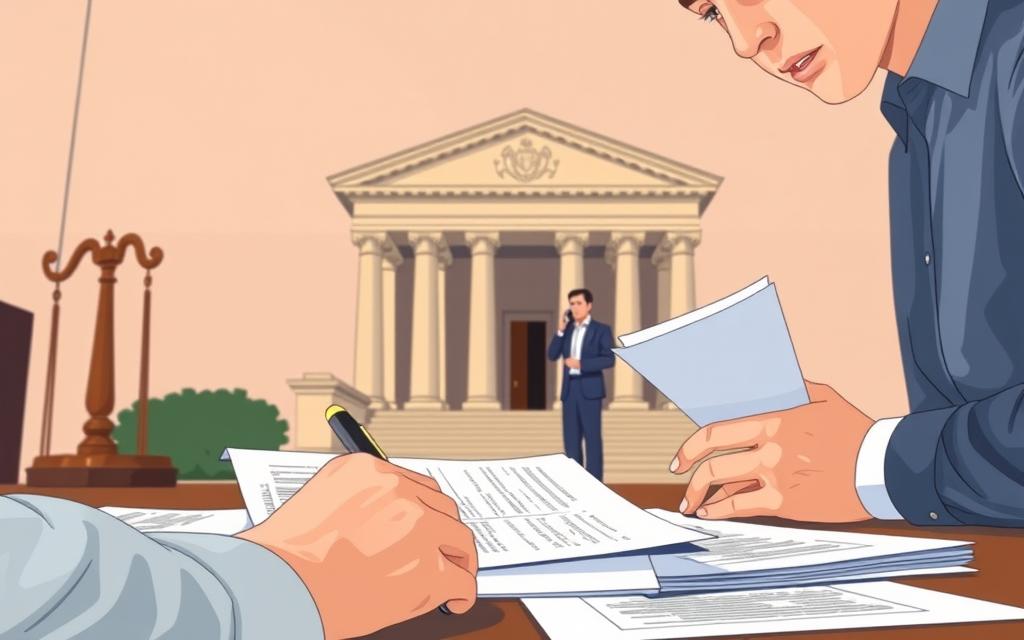
To sue a university for unfair treatment, follow a clear plan. This plan helps increase your chances of winning.
Choosing the Right Legal Counsel
Finding a good lawyer is key. Look for someone who knows a lot about:
- Education law
- Civil rights lawsuits
- Workplace discrimination
- Rules on discrimination at the federal and state levels
Filing Procedures to Follow
Here are the main steps for a teacher’s lawsuit:
- Keep records of all unfair incidents
- File a first complaint with the school
- Reach out to the Equal Employment Opportunity Commission (EEOC)
- Get a right to sue letter
Important Deadlines and Timelines
Knowing the legal time limits is very important:
- EEOC Complaint Deadline: 180 days after the unfair act
- Right to sue letter filing: 90 days after getting it
- Average time for an investigation: About 10 months
Having a lawyer can greatly help your case. About 60% of discrimination cases are solved before going to court.
Possible Outcomes of a Discrimination Lawsuit

When students sue a school, knowing what might happen is key. Lawsuits about discrimination can lead to big changes. They help protect students and make schools better for everyone.
Compensation and Damages
Students who win their cases might get money. They can get money for:
- Emotional distress compensation
- Lost educational chances
- Costs for getting better
- Money for legal help
Changes in School Policies
A lawsuit can make schools change. Schools might have to:
- Change unfair rules
- Train staff better
- Start programs against discrimination
- Make it clear how to report problems
Retaliation Protections
There are strong laws to protect students who complain. These laws stop schools from getting back at students. This lets students fight for their rights safely.
Winning a lawsuit does more than help one student. It makes schools better for everyone. It makes schools more welcoming and fair for all students.
Schools’ Defense Strategies
When schools face a lawsuit, they use smart ways to defend themselves. It’s important for students and education discrimination lawyers to know these strategies.
Common Arguments Used by Schools
Schools often use a few main arguments to fight discrimination claims:
- Policy Compliance: Showing they follow their rules very closely
- Questioning if the actions were really bad
- Saying the harm wasn’t big enough
- Offering other reasons for how students were treated
Legal Counsel’s Strategic Role
Legal teams for schools are very important. They do many things to help defend:
- They look at all the documents carefully
- They question if the evidence is true
- They try to settle the case
- They help keep the school’s good name
| Defense Strategy | Key Objectives | Potential Outcomes |
|---|---|---|
| Policy Adherence | Show they followed the rules right | Case might get dismissed or they might pay less |
| Evidence Challenge | Make it seem like there was no real problem | They might not have to pay as much |
| Negotiated Settlement | Try to solve the problem without going to court | It’s all kept secret |
Students who want to sue should know about these defenses. They should work with good lawyers to make strong cases.
Real-Life Examples of Successful Lawsuits
School discrimination lawsuits are key in protecting students’ rights. They challenge unfair treatment in schools. These cases show the power of fighting for justice in court.
Many important cases show how legal action fights against race discrimination in schools. They protect students’ basic rights:
- The Columbia University Protest Discrimination Case showed how schools handle student rights. Four pro-Palestinian students said they faced harassment and unfair treatment.
- A big lawsuit against the university said students were bullied because of their views. This happened after October 9, 2023.
- The lawsuit talked about death threats. It also said the university didn’t do enough to stop the bullying.
Key Legal Strategies in School Bias Lawsuits
Winning school bias lawsuits often means:
- Keeping detailed records of unfair treatment
- Collecting strong proof of bias
- Using laws that protect civil rights
- Having skilled lawyers on your side
Lessons from Discrimination Cases
These legal fights teach us that schools must protect students. The Columbia University case shows how legal action can fight unfair practices. It helps make schools more welcoming for everyone.
Resources for Victims of Discrimination
Going through a school civil rights lawsuit is tough for students and families. Education law attorneys say to get help from groups that know about protecting students. The National Women’s Law Center and the American Civil Liberties Union (ACLU) are great resources for those facing discrimination in school.
State resources are also very important for those facing discrimination. In places like Illinois, the Attorney General’s Civil Rights Bureau helps a lot. They look into claims of discrimination in schools and other public places. Students can get free advice and learn about their rights through state programs.
When looking for a lawyer, do your homework. Find ones who specialize in civil rights and education law. The American Bar Association can help find lawyers who know about school discrimination laws. Look for lawyers who know about Title IX, ADA, and other laws that protect students.
Support groups and counseling are key for emotional healing. Groups like GLSEN and the National Disability Rights Network offer a lot of support. Remember, asking for help is brave, not weak, in fighting for fair education.